

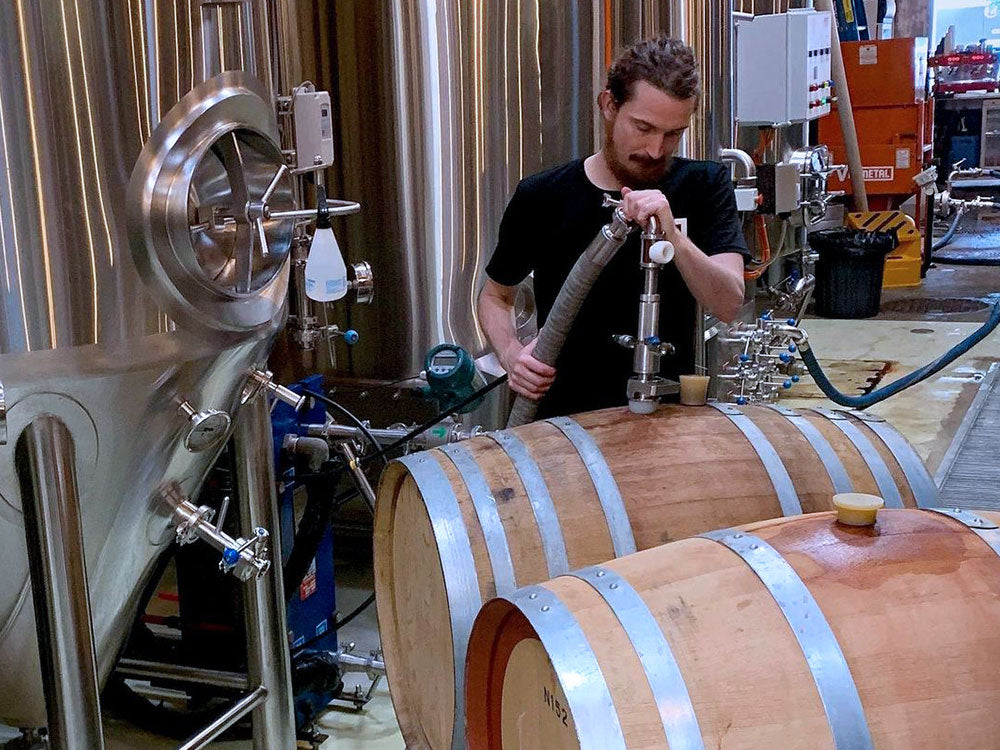
Oxidation in Barrel-Aged Beer: When a Batch Goes Wrong
A candid look at oxidation in barrel-aged beer, how oxygen entered our Tempranillo barrels and why the finished batch failed quality standards.
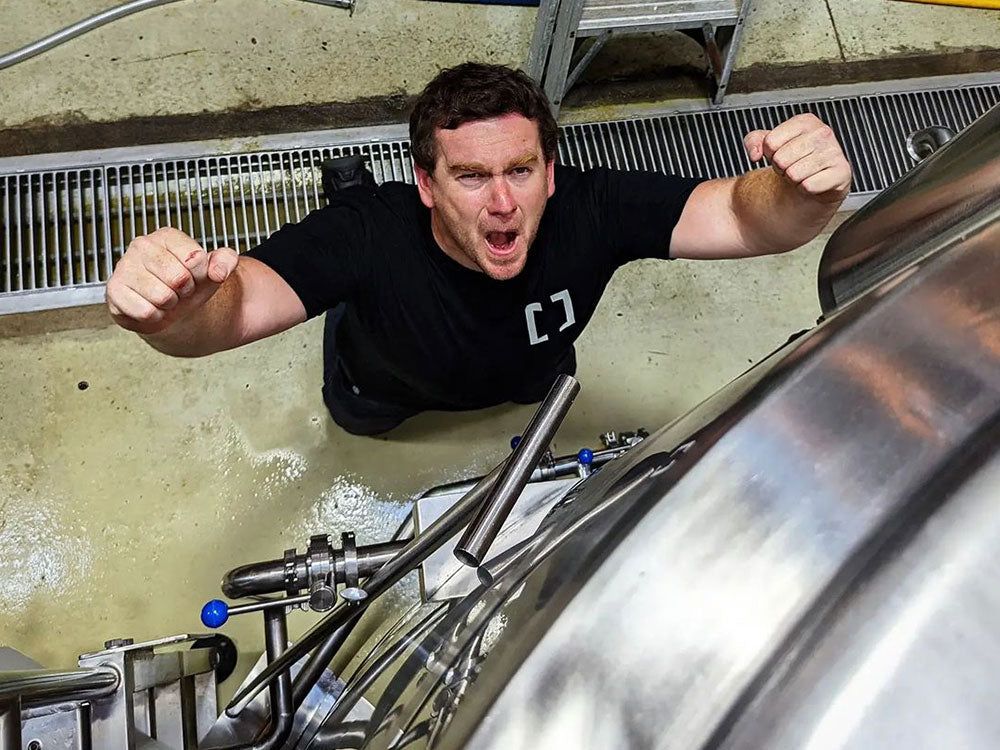
Stuck Fermentation: Causes, Prevention and Recovery
Learn what causes a stuck beer fermentation, from yeast health and temperature to sugar concentration, and how brewers diagnose and recover a batch.
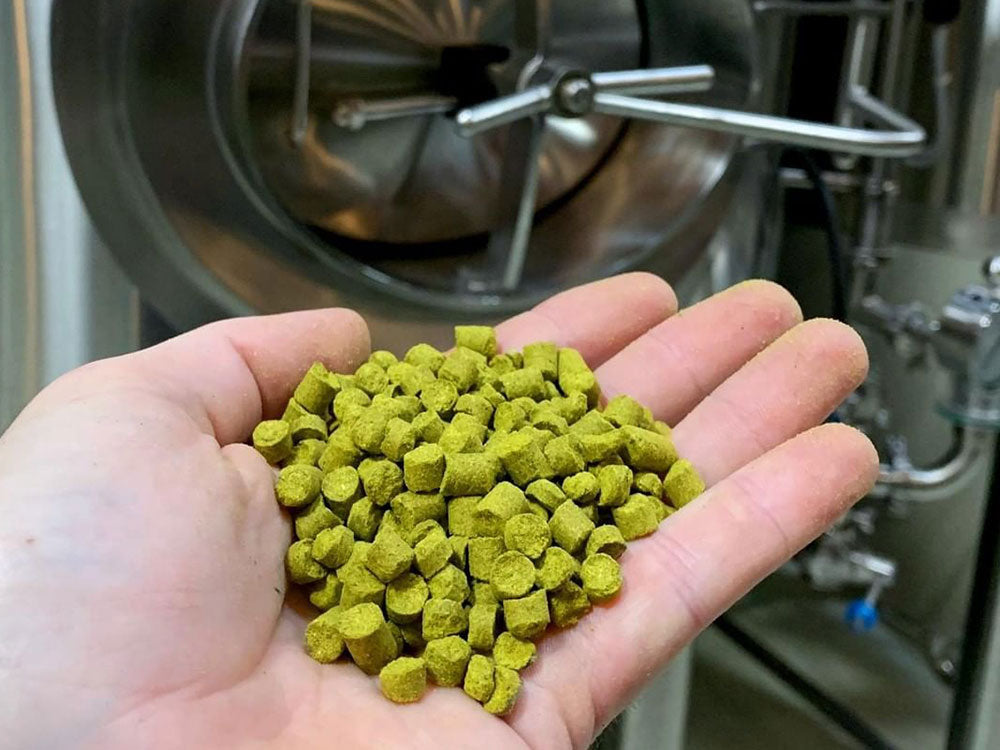
Dip Hopping: A Japanese Technique for Bigger Hop Aroma
Discover dip hopping, the Japanese brewing technique that steeps hops before fermentation to build aroma while moderating bitterness and hop creep.
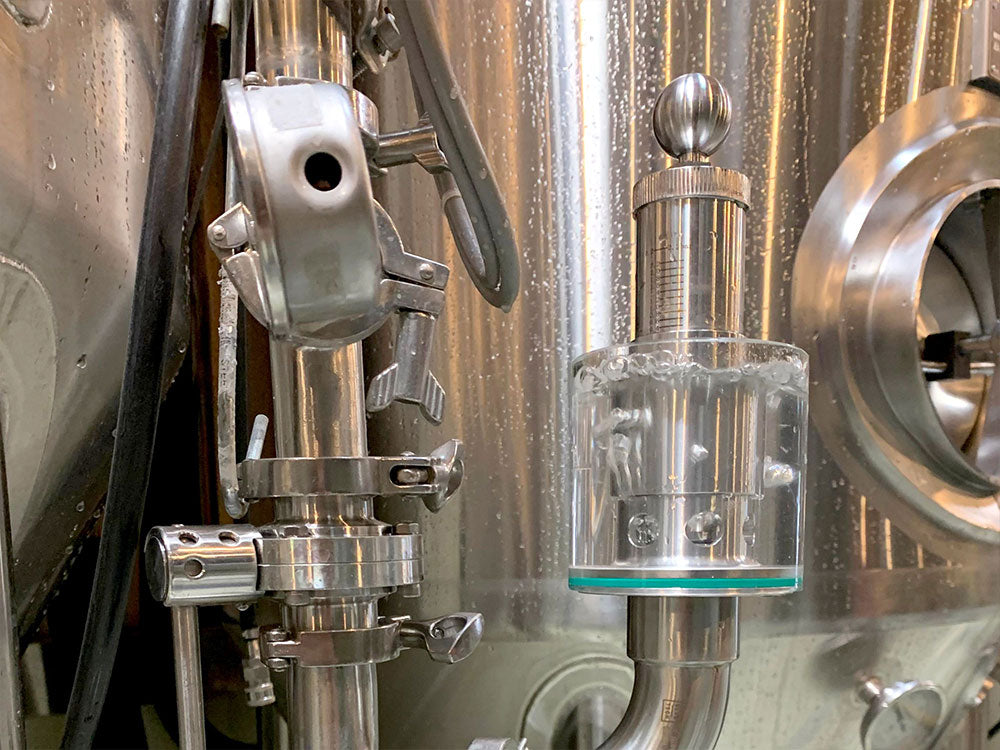
Spunding: Natural Carbonation and Better Beer Foam
Explore how spunding valves retain fermentation pressure, naturally carbonate beer, reduce ester formation and support denser, longer-lasting foam.
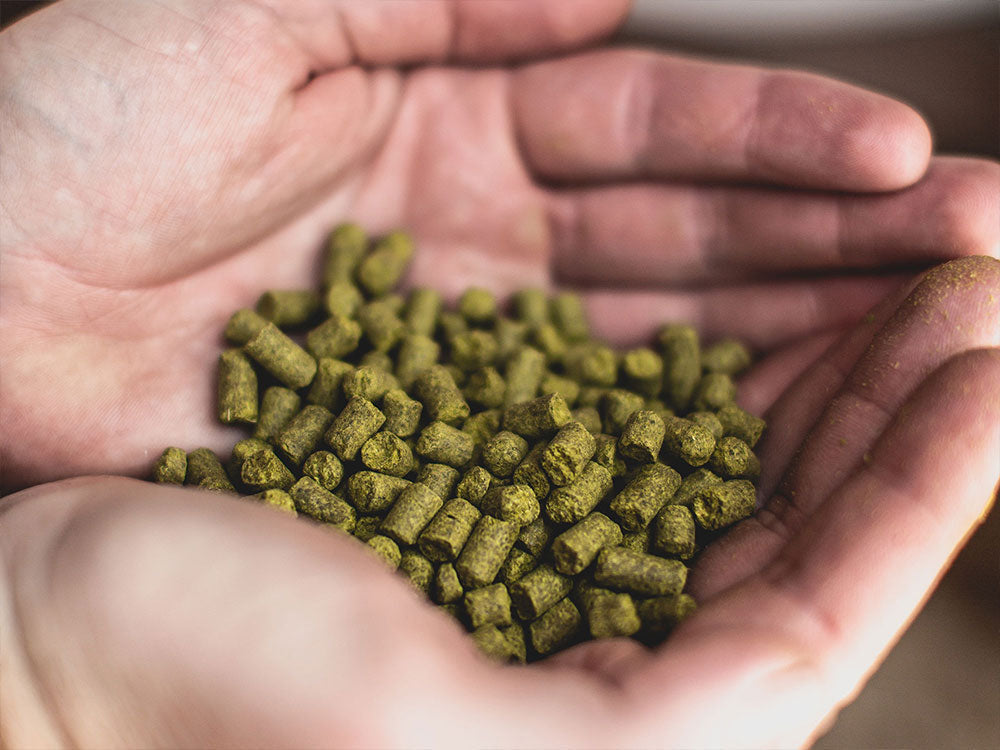
Cashmere Hops: Citrus, Stone Fruit and Herbal Character
Meet Cashmere hops, a Cascade and Northern Brewer cross offering delicate tropical notes or bold citrus, herbal and stone-fruit character.

Biofine: How Brewers Clarify Beer Without Gelatine
Learn how Biofine uses negatively charged silicic acid to bind haze-forming proteins, improving beer clarity without animal-derived gelatine.

How Beer Judging Works: Styles, Scores and Sensory Skill
Explore how trained judges use evolving style guidelines and sensory assessment to turn subjective impressions into structured beer feedback.

Acetaldehyde in Beer: The Green Apple Fermentation Fault
Learn why acetaldehyde tastes like green apple, how it forms during fermentation and what yeast health, oxygen and packaging have to do with it.

Brewing with Chilli: Extracting and Balancing Capsaicin
Explore how brewers extract capsaicin from chilli, control heat and balance pain, aroma and flavour when adding spicy ingredients to beer.